Why humidity control in pharmaceutical labs deserves as much attention as temperature in every analytical and R&D lab
Analytical and R&D labs are where pharmaceutical quality and safety really get decided. Every tablet that reaches the market, every stability study filed with a regulator, and every new formulation that moves from the bench to a full batch passes through an analytical balance, a stability chamber, or a QC bench first. As pharma companies invest in more automation and more sensitive instruments, the room those instruments sit in is getting watched just as closely as the instruments themselves. This makes humidity control in pharmaceutical laboratories an increasingly important part of maintaining reliable and controlled laboratory conditions.
The global market for pharmaceutical and biotech environmental monitoring is expected to grow from about $1.9 billion in 2026 to more than $3.1 billion by 2035, according to Towards Healthcare (2026). That’s a clear sign the industry is taking the space around its instruments just as seriously as the instruments themselves.
Most of that attention goes to one thing: temperature.
But there’s another variable working quietly alongside every temperature reading — one that affects weighing accuracy, reagent stability, contamination risk, and audit results just as much. It just doesn’t get talked about nearly as often.
The future of the analytical lab isn’t just about keeping the temperature right. It’s about keeping the humidity right too — for the right reason, in every part of the lab.
That’s where humidity control stops being a “nice to have” and becomes something both the science and the regulators depend on.
Why One Humidity Level Doesn’t Work for the Whole Lab
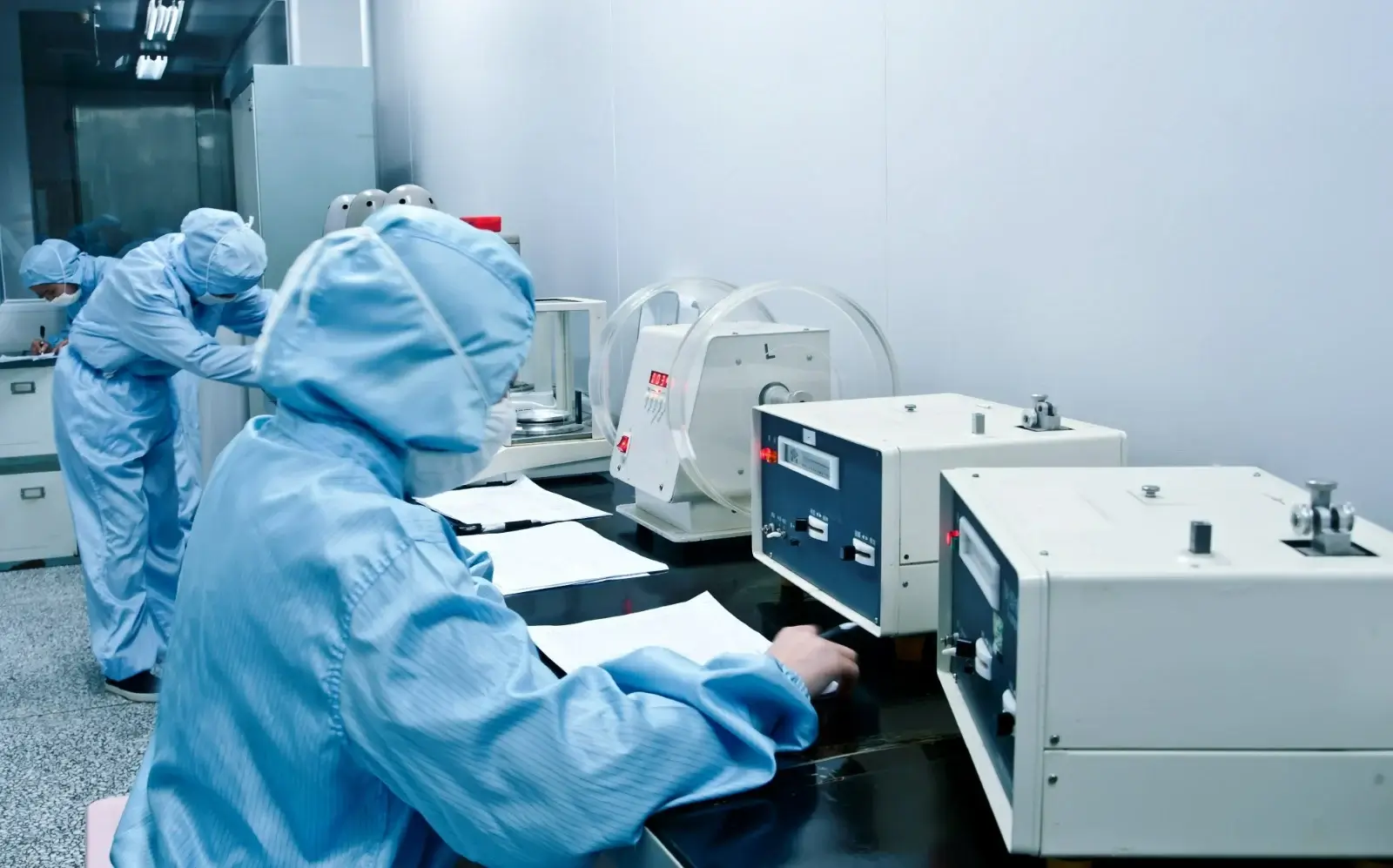
A lab isn’t really one room — it’s several different environments under one roof. A general R&D bench, a GMP-regulated QC suite, a precision weighing room, and a microbiology lab all face different humidity risks, even if they’re right next to each other.
| Lab Zone | Typical RH Range |
| General R&D / Analytical Benches | ~30-50% RH at 20-25°C |
| Pharmaceutical QC / GMP Analytical Labs | ~35-55% RH (±5%) |
| Precision Weighing / Instrument Rooms | 40-45% RH |
| Microbiology Labs | 45-55% RH |
Put these together and a pattern shows up: different laboratory zones have different humidity requirements. Lower RH can increase static-related risks, while higher RH can increase moisture-related and contamination risks. The right humidity range therefore depends on the function and requirements of each laboratory space.
Getting the Temperature Right Isn’t Enough
Humidity problems don’t show up the way temperature problems do. There’s no obvious spike on a chart. Instead, they can show up later — in a balance reading that looks slightly off, a reference standard that has changed, or an audit finding no one can quite explain.
- Static electricity can affect weighing accuracy. RH levels below 40% significantly increase the risk of electrostatic buildup, which can interfere with electronic measurements and delicate analytical balance readings.
- Reagents and reference standards can absorb or lose moisture. High humidity can affect hygroscopic active pharmaceutical ingredients (APIs), cause clumping in reference powders, and compromise analytical accuracy.
- High humidity can increase contamination risk. Excess moisture can create conditions that support microbial and mould and fungal growth, making appropriate humidity control particularly important in microbiology and other contamination-sensitive laboratory areas.
- It can also affect regulatory compliance. Frameworks such as USP, ICH, and WHO-GMP emphasize environmental monitoring and documented records for parameters such as temperature and humidity.
So the real question isn’t “is the lab cool enough?” It’s bigger than that: “Is the environment built precisely enough for the science happening inside it?”
Why Desiccant Dehumidification Works Better for Labs
Standard refrigerant-based cooling does remove some moisture from the air, but that’s not really its job — and it is not designed to provide precise, independent humidity control across changing cooling loads.
A desiccant dehumidifier takes a different approach.
Precise, Independent Humidity Control
A desiccant system pulls moisture out of the air through adsorption instead of condensation, allowing humidity to be controlled more independently of the cooling load — through different seasons, shifts, and operating conditions.
Fewer Static and Moisture-Related Errors
By maintaining humidity within the appropriate range for each laboratory zone, desiccant systems can help reduce static-related issues while limiting excessive moisture exposure.
A Stronger Case for Contamination Control
Stable, well-documented humidity gives a facility an environmental parameter it can monitor and manage as part of its broader quality and contamination-control approach.
Lower Energy Costs
Because desiccant systems handle moisture and temperature separately, they can help achieve precise humidity targets without relying only on over-cooling to remove moisture.
One System for Every Part of the Lab
A desiccant dehumidification approach can be configured for different laboratory zones, including general R&D areas, precision weighing rooms, and microbiology suites, according to their individual environmental requirements.
Bry-Air’s Approach: Engineering the Whole Lab Environment
Bry-Air has spent decades building expertise in desiccant dehumidification for industries where there’s almost no room for environmental error — pharmaceutical manufacturing, cleanroom electronics, lithium-ion battery production, and precision food processing, among others.
That same expertise applies directly to analytical and R&D labs. Bry-Air’s approach goes beyond simply cooling a room:
- Precise, independently controlled desiccant dehumidification built for GMP-regulated lab spaces
- Environmental design support that lines up with a site’s own Contamination Control Strategy
- Moisture management that protects instruments, reference standards, and reagents
- Energy-efficient air treatment that hits humidity targets without over-cooling
- Deep experience working across pharmaceutical, cleanroom, and other contamination-sensitive environments
The goal isn’t just to keep a lab within a comfortable range. It’s to take humidity off the list of things the science has to work around.
The Lab of the Future Treats the Environment as Part of the Method
The next generation of pharma R&D and QC labs won’t be defined by a faster balance or a newer instrument alone. It’ll be defined by how carefully the environment around that equipment is managed — humidity controlled precisely enough that a weighing result can be trusted the first time, a reference standard lasts its full shelf life, and an inspector doesn’t find anything to question.
Looking Ahead
Labs are only going to get more precise, more automated, and more closely watched. The instruments already reflect that. The environment around them needs to catch up.
At Bry-Air, we believe precision in analytical science doesn’t start with the method. It starts with the air the method breathes.
Frequently Asked Questions
Why is pharmaceutical humidity control important in analytical labs?
Pharmaceutical humidity control is important because fluctuations in humidity can affect analytical balances, hygroscopic APIs, reagents, reference standards, and other sensitive materials. Maintaining controlled humidity helps laboratories achieve more consistent and reliable testing conditions.
What are the typical QC lab humidity requirements?
QC lab humidity requirements can vary depending on the laboratory’s activities, equipment, materials, and applicable procedures. Many pharmaceutical QC environments operate within a controlled range, often around 35–55% RH, with the exact setpoint determined by the specific process and validation requirements.
How does humidity affect analytical balance accuracy?
Analytical balance humidity requirements typically fall within a narrow band. Too low, and electrostatic charge builds up, interfering with weighing and causing unstable readings; too high, and moisture absorption by samples or components can just as easily distort results. Maintaining RH within the specified range helps minimize both risks and supports more reliable analytical measurements.
Is humidity control important for pharmaceutical cleanrooms?
Yes. Analytical and QC labs are often held to standards similar to classified cleanroom spaces — humidity control for cleanrooms and lab environments alike is critical for managing static electricity, moisture-related risks, and conditions that may contribute to microbial or fungal growth.
How does desiccant dehumidification support humidity control in pharmaceutical laboratories?
Desiccant dehumidification removes moisture from air through adsorption, allowing humidity to be controlled more independently of temperature and cooling loads. This makes it useful for applications requiring stable and precisely managed humidity conditions, including pharmaceutical laboratories, QC areas, and other controlled environments.
Can humidity affect pharmaceutical reagents and reference standards?
Yes. Some reagents, reference standards, powders, and active pharmaceutical ingredients are hygroscopic and can absorb moisture from the surrounding air. Appropriate humidity control in pharmaceutical laboratories can help minimize moisture-related changes and support the stability and accuracy of laboratory materials.
Can humidity control help reduce contamination risks in pharmaceutical laboratories?
Maintaining appropriate humidity can support the overall environmental control strategy of a pharmaceutical laboratory. Excessive moisture can contribute to conditions favorable to microbial or fungal growth, while excessively low humidity may increase static-related risks. The appropriate range should therefore be established according to the laboratory’s specific requirements and contamination-control strategy.
Recent Posts