Our Airgineers Can Help You Select The Right Product!
Contact Us
Our Airgineers Can Help You Select The Right Product!
Contact Us
Telecommunication towers are actually part of a Base Transceiver Station (BTS) which facilitates wireless communication between user equipment (mobile phones, handsets, WLL phones, computers with wireless internet connectivity) and a telecommunication network. BTS is controlled by a Base Station Controller (BSC).Generally, there are 3-4 BTS under each BSC site.
The BSC site is in turn connected to a large centralised Mobile Switching Center (MSC) site. MSC is the centrepiece of a Network Switching Subsystem (NSS).
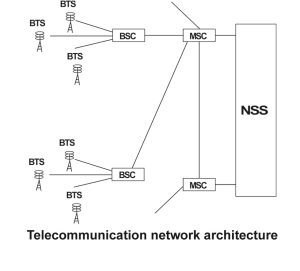
Base Transceiver Station has several sophisticated electronic devices. Each of the devices has an important task or utility for the proper functioning of the BTS. It has equipment for encrypting and decrypting communications, spectrum filtering and several transceivers (TRXs) which allows it to serve different frequencies and different sectors of the cellular network. The antenna is just another component of BTS, facilitating the proper functioning of BTS.
Considering the importance of each electronic component of BTS, BSC and MSC, together with the high replacement costs associated with them, the need for their proper protection against airborne molecular contamination cannot be overstressed.
The base transceiver stations which are located near industrial areas or places within the city where heavy traffic congestion is observed are exposed to the risk of corrosion of their sophisticated electronic components.
Atmospheric air, especially in industrial areas, is laden with molecules of corrosive gases like Hydrogen Sulphide (H₂S), Sulphur Dioxide (SO₂), Chlorine (Cl), Ammonia (NH3), Ozone (O3), Hydrogen Fluoride (HF), etc. which are generated during the manufacturing processes and eventually mix with the surrounding air.
Similar is the case of air within the city, where heavy traffic congestion can lead to high levels of pollution along with dust particles suspended in the atmosphere. Airborne molecules of corrosive gases contaminate the air inside BTS shelter and MSC sites, which can damage the circuit boards of electronic devices installed there, reducing the life expectancy of these sophisticated devices apart from causing electronic malfunctions, signal failure and downtime losses.
Corrosion of metals is caused primarily due to uncontrolled temperature and humidity inside the BTS shelter and Mobile Switching Center. However, corrosion is aggravated by the attack of gaseous contaminants.
While measures are in place for controlling temperature and humidity, gaseous contamination is generally overlooked. To ensure proper protection against corrosion of electronic devices, gaseous contamination should also be controlled.
Bry-Air Gas Phase Filtration Systems protect electronic equipment and devices from the threat of abrupt failures due to corrosive gases. It reduces downtime by removing corrosive gases through the process of adsorption and chemisorption. It is designed to maintain the ANSI/ISA-71.04-2013 standard, IEC standards and various other environmental standards followed by electronics manufacturers.
These GPF systems also neutralise odourous gases and make the environment comfortable for humans.
Bry-Air is the only Gas Phase Filtration Company in India having its own R&D and Testing Lab for granular media and chemical filters. Backed by world-class technology and systems, the laboratory is capable of testing the performance of impregnated/non-impregnated loose granular media and impregnated/non-impregnated air cleaning devices such as chemical filters, under one roof. The tests are conducted as per ISO/ASHRAE Standard 145.1 and BSR/ASHRAE Standard 145.2/ISO Standard 11155-2 guidelines. The core objectives of the tests are to assess the performance and efficiency of loose granular sorptive media and chemical filters in any particular application.
For any media replacement query, write to us: [email protected]
MSC and BSC environments can contain sensitive electronic equipment and may be located within laboratories where cleaning agents, disinfectants, outdoor pollutants and other airborne contaminants are present. Corrosive gases can contribute to the degradation of exposed electronic components over time.
Potential contaminants include hydrogen sulfide (H₂S), sulfur dioxide (SO₂), nitrogen oxides (NOₓ), chlorine (Cl₂), ozone (O₃), ammonia (NH₃) and other airborne molecular contaminants. Cleaning and disinfectant fumes can also contribute to the overall molecular contamination profile.
Corrosive environments can affect electronic components such as control boards, sensors, electrical contacts, PCBs, terminals and other instrumentation electronics. Corrosion can become more significant when gaseous contaminants are combined with elevated humidity.
Airborne contaminants can originate from outdoor air, vehicle emissions, industrial emissions, cleaning and disinfectant products, nearby processes and building materials. Contaminants can enter through ventilation and fresh-air systems or migrate between adjacent spaces.
Yes. Humidity can increase the impact of corrosive contaminants on metallic and electronic surfaces. The combination of airborne contaminants and moisture is an important consideration when assessing the environmental conditions around sensitive equipment.
Atmospheric corrosivity can be assessed using Corrosion Classification Coupons, which use standardized copper and silver coupons exposed for 30 days, or monitored using an Atmospheric Corrosivity Monitor (ACM) for real-time assessment.
Gas-phase filtration can help reduce exposure to gaseous contaminants by using activated carbon, chemically impregnated carbon and specialized adsorbent media. The appropriate media and system configuration depend on the contaminant profile and site conditions.
Start with an assessment of the site’s airborne contaminants, environmental conditions and equipment exposure. Corrosion Classification Coupons or an Atmospheric Corrosivity Monitor can provide information about the site’s corrosivity and help determine whether additional gas-phase filtration should be considered.
Our Airgineers Can Help You Select The Right Product!
Contact Us
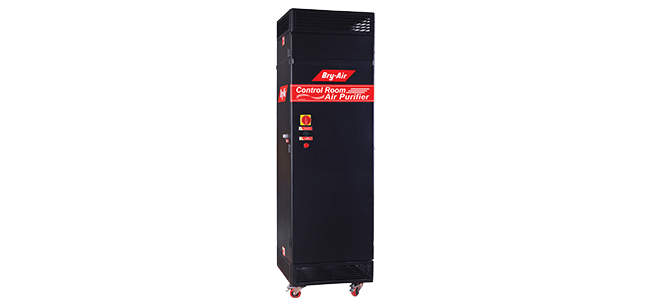
Honeycomb filter based gas phase filtration system (ranging from 500 CFM to 2000 CFM)
 view more
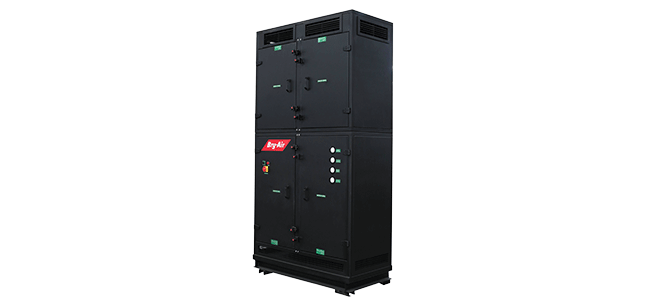
Granular media based corrosive and odorous gases removal system (ranging from 500 CFM to 2000 CFM, with higher capacities available on request)
view more
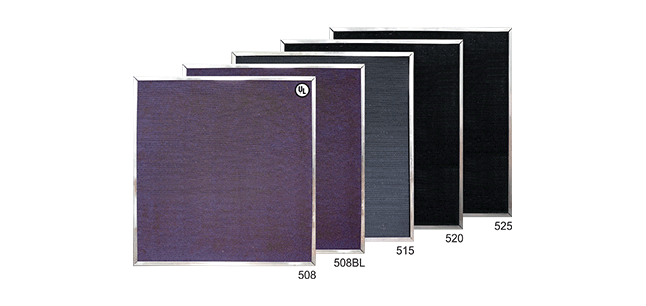
Macroporous desiccant-based fluted media with low pressure drop
view more
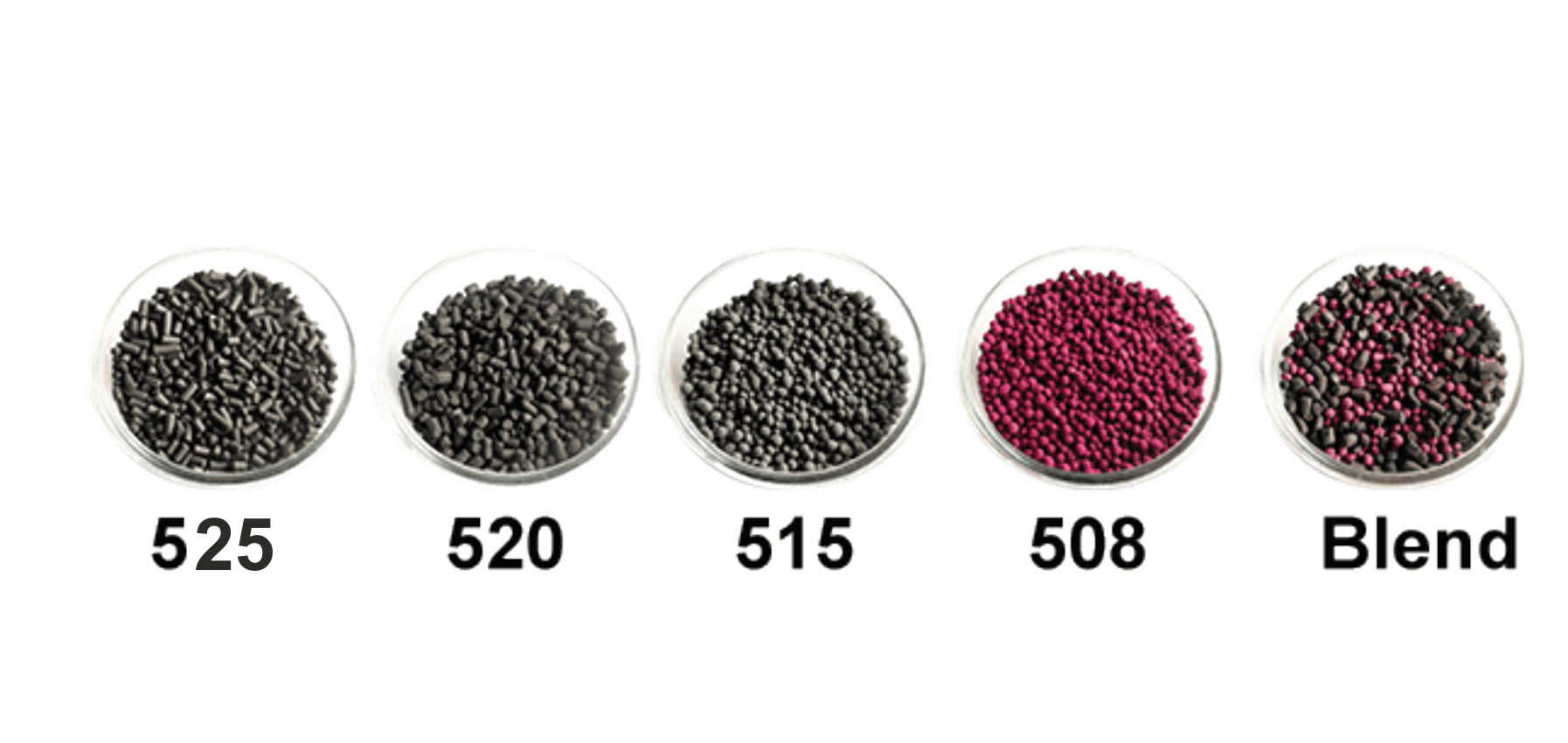
Spherical / Cylindrical porous pellets impregnated with proprietary chemicals
view more
Let's
Get In
Touch