Our Airgineers Can Help You Select The Right Product!
Contact Us
Our Airgineers Can Help You Select The Right Product!
Contact Us
Fertilizer plants can have corrosive gases such as ammonia (NH₃), hydrogen sulfide (H₂S), sulfur dioxide (SO₂), and nitrogen oxides (NOₓ) in or around process areas. When these contaminants enter control rooms, they can contribute to corrosion of sensitive electronic components, contacts, PCBs and control equipment.
The specific contaminants depend on the process and site conditions. Ammonia, H₂S, SO₂ and NOₓ are among the gases relevant to fertilizer and process environments. A site assessment should determine the actual contaminant profile before selecting the filtration media.
Corrosive gases can enter through fresh-air intakes, HVAC systems, building leakage, doors, cable penetrations and other openings. Maintaining room pressurisation alone does not remove molecular contaminants from the incoming air.
Conventional particulate filters are designed primarily to remove airborne particles. Gas-phase filtration is required when the contamination problem involves gaseous molecular contaminants, which can pass through conventional particulate filtration.
Gas phase filtration uses chemically treated or adsorbent media to remove gaseous contaminants from the air before they reach sensitive equipment. This can help reduce the corrosive load on DCS, PLC, SCADA, relay, UPS, VFD and other control electronics.
Yes. DRISORB™ honeycomb panels are designed for integration into existing HVAC/AHU systems. This configuration uses structured sorbent media for gas-phase removal while fitting into HVAC filter arrangements.
A useful starting point is to assess the ambient corrosivity and contaminant profile. Bry-Air’s GPF approach includes Corrosion Classification Coupons for a standardised 30-day exposure assessment and the Atmospheric Corrosivity Monitor (ACM) for continuous measurement of copper and silver corrosion rates.
Our Airgineers Can Help You Select The Right Product!
Contact Us
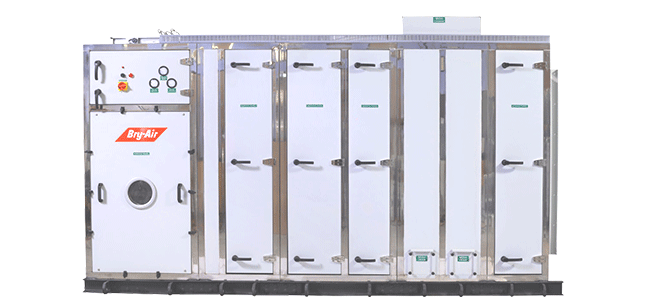
Granular media based corrosive gases and odour removal system (ranging from 500 CFM to 2000 CFM, with higher capacities available on request)
 view more
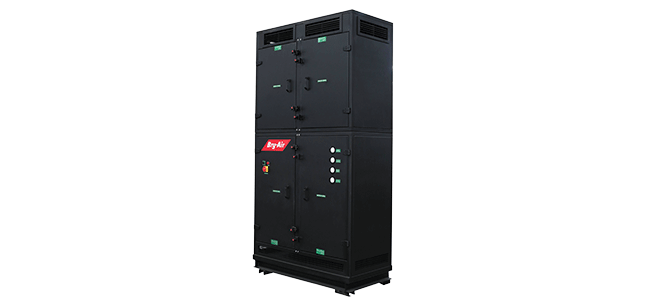
Granular media based corrosive and odorous gases removal system (ranging from 500 CFM to 2000 CFM, with higher capacities available on request)
view more
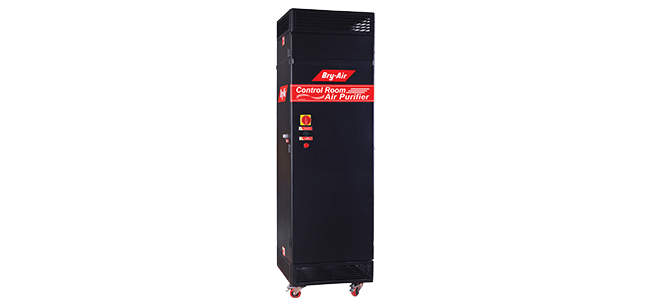
Honeycomb filter based gas phase filtration system (ranging from 500 CFM to 2000 CFM)
view more
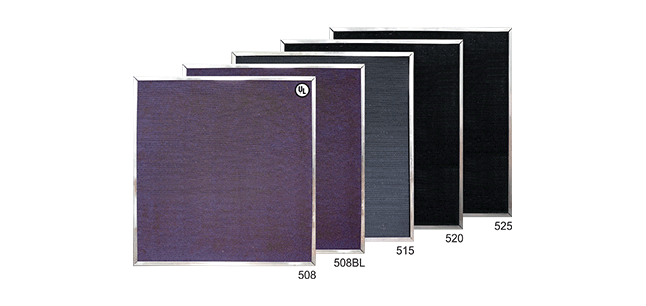
Macroporous desiccant-based fluted media with low pressure drop
view more
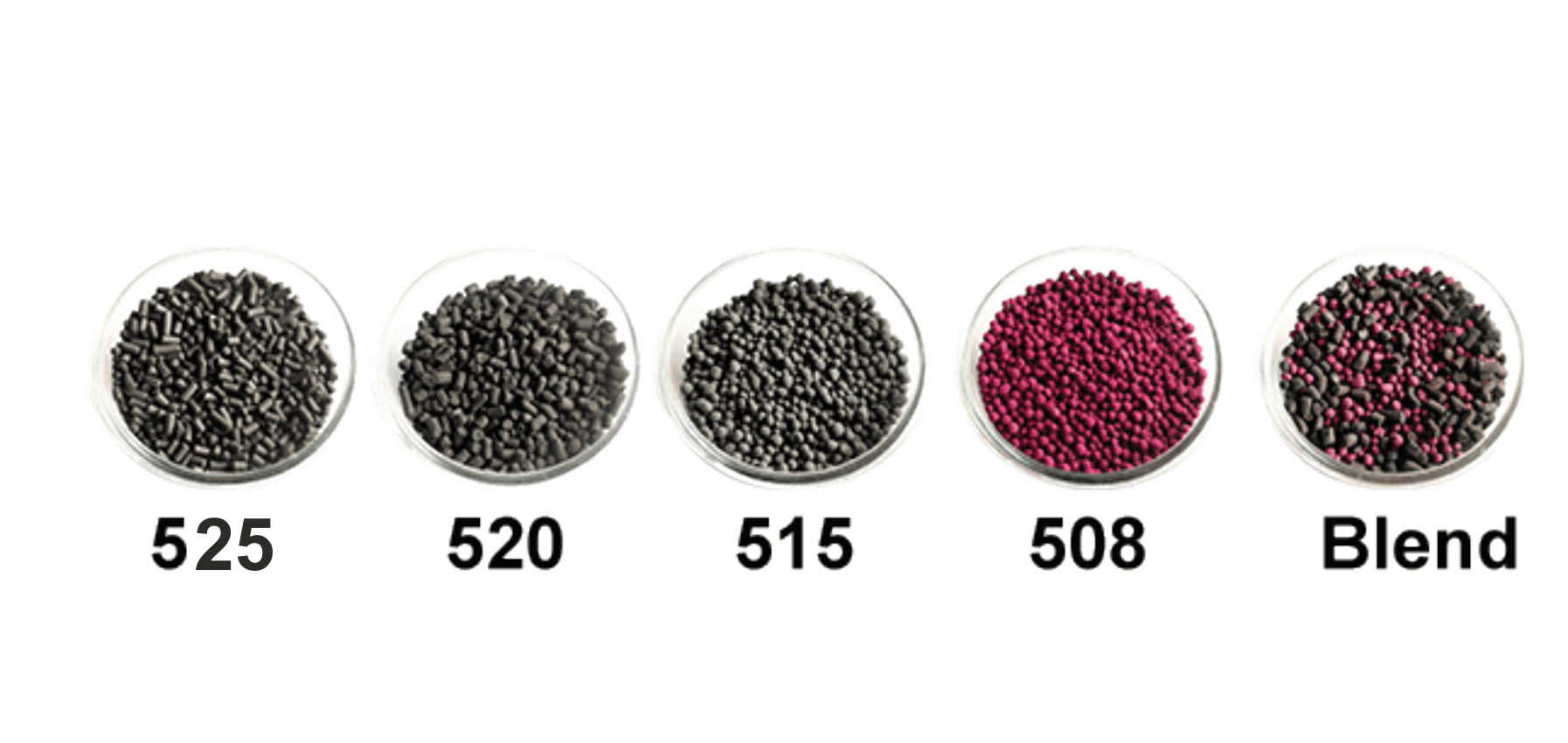
Spherical / Cylindrical porous pellets impregnated with proprietary chemicals
view more
Let's
Get In
Touch