Our Airgineers Can Help You Select The Right Product!
Contact Us
Our Airgineers Can Help You Select The Right Product!
Contact Us
Semiconductor humidity control helps maintain stable environmental conditions in manufacturing areas where moisture-sensitive materials are used. Controlling humidity can reduce the risk of condensation, circuit corrosion, and process inconsistencies, supporting product quality and manufacturing reliability.
Semiconductor manufacturing humidity control is essential because photoresists are hygroscopic and can absorb moisture from the surrounding air. Excess moisture may cause swelling, poor adhesion, and bridging of microscopic circuit lines, potentially affecting etching accuracy and semiconductor yield.
Semiconductor dehumidification helps control moisture during wafer fabrication, particularly when rapid solvent evaporation cools wafer surfaces. Maintaining suitable humidity levels helps minimise condensation, moisture absorption, and variations in developer performance.
Moisture control for semiconductor assembly helps protect moisture-sensitive materials such as die attach adhesives, plastic encapsulants, and PCB laminates. Maintaining appropriate humidity conditions can support bonding consistency, reduce moisture-related defects, and improve process reliability.
Semiconductor moisture prevention involves controlling humidity and limiting exposure to corrosive contaminants. Excess moisture and gases such as sulphur compounds can contribute to corrosion of metal contacts and equipment components, increasing the risk of operational failures.
Humidity control in photolithography rooms helps maintain photoresist adhesion and minimise condensation on optical equipment and photomasks. Bry-Air’s page indicates that photolithography environments may require approximately 20–35% RH at around 70°F, depending on process requirements.
High humidity increases the amount of water vapour handled by vacuum systems, which can slow pump-down operations. In EPI equipment, moisture may condense on chilled surfaces and contribute to corrosion. Precise humidity control helps support equipment reliability and process continuity.
Bry-Air provides semiconductor manufacturing dehumidifier solutions, including desiccant dehumidifiers designed to maintain stringent humidity conditions. Gas Phase Filtration (GPF) Systems use adsorption and chemisorption to remove corrosive gases, supporting moisture control and corrosion prevention in semiconductor manufacturing environments
Our Airgineers Can Help You Select The Right Product!
Contact Us
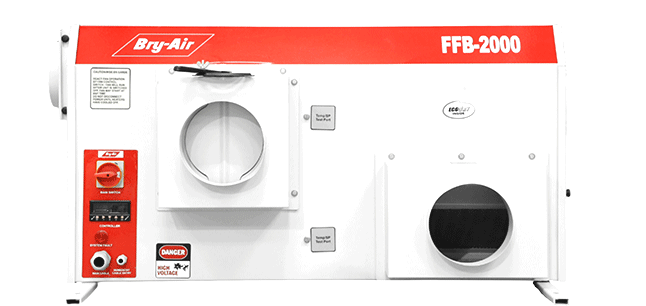
CNC fabricated with powder coated finish (ranging from 170 CMH to 4,500 CMH)
 view more
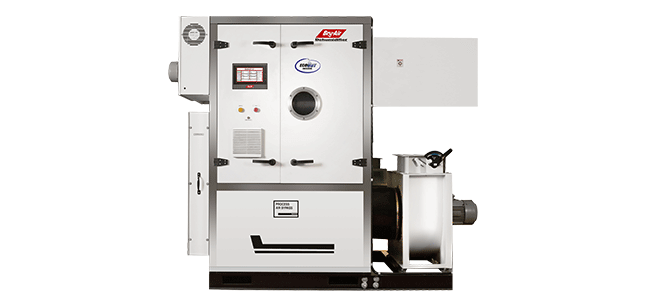
For complete air handling and environment control needs (ranging from 2,500 CMH to 25,000 CMH)
view more
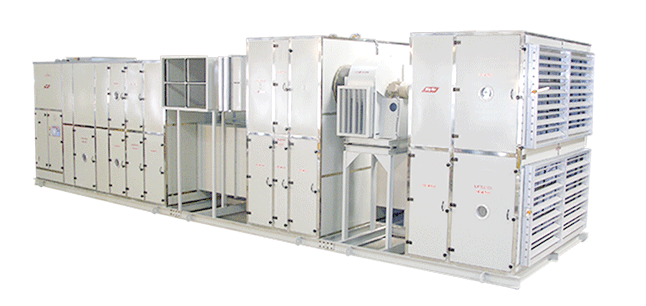
For custom design requirements (ranging from 10,000 CMH to 1,00,000+ CMH)
view more
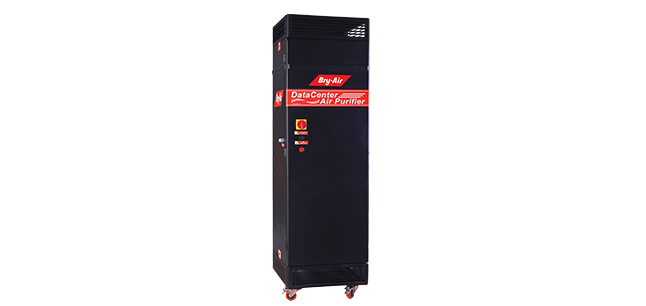
Honeycomb filter based gas phase filtration system (ranging from 500 CFM to 2000 CFM)
view more
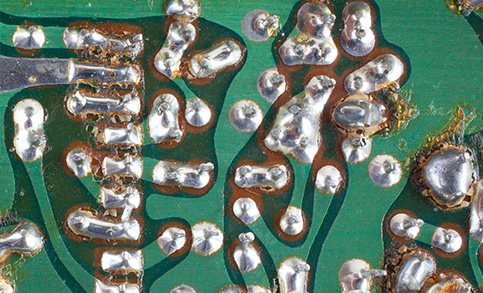
The hygroscopic components may result in the corrosion of circuit points, operational failure of semiconductor assembly, and improper adhesion of photoresists.
Let's
Get In
Touch