Our Airgineers Can Help You Select The Right Product!
Contact Us
Our Airgineers Can Help You Select The Right Product!
Contact Us
Signalling, interlocking and train control electronics use copper and silver contacts. Corrosive gases entering through ventilation form films on them, causing intermittent faults and failures. Corrosion prevention in rail control rooms therefore protects both safety and punctuality.
The main contaminants are SOx, NOx, chlorine, ozone, carbon monoxide and VOCs. Sources include heavy traffic, landfill sites, sewage drains and polluted rivers. Humidity accelerates electronic corrosion, so underground and coastal locations are typically worse.
Air passes through granular sorptive media. Adsorption physically holds gas molecules in the pores, while chemisorption uses impregnated media that reacts with acid gases like SOx and NOx, converting them into stable compounds for effective electronic corrosion prevention.
ANSI/ISA-71.04-2013 classifies environments from G1 (mild) to GX (severe) by corrosion film growth on copper and silver coupons over a month. Critical electronics are usually specified for G1, verified through coupon monitoring.
Yes. Adsorptive media captures odorous gases such as sewage-related compounds and VOCs, improving operator comfort. Media must also cover acid gases, so odour control and corrosion control in rail and metro rooms are specified together.
Bry-Air is India’s only gas phase filtration company with its own R&D and testing lab for granular media and chemical filters, tested to ISO/ASHRAE 145.1, so media selection rests on measured performance.
Our Airgineers Can Help You Select The Right Product!
Contact Us
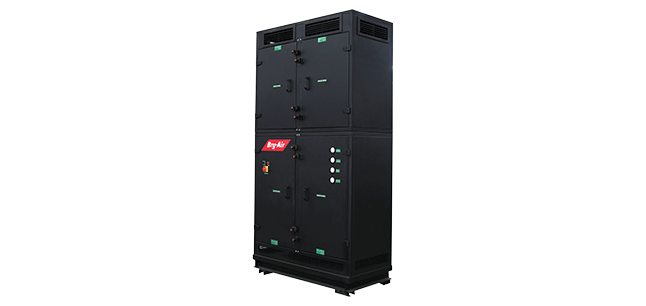
Granular media based corrosive and odorous gases removal system (ranging from 500 CFM to 2000 CFM, with higher capacities available on request)
 view more
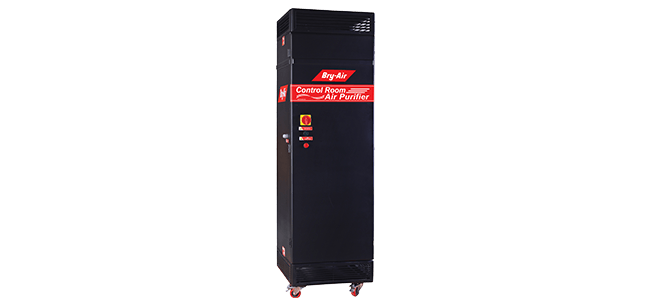
Honeycomb filter based gas phase filtration system (ranging from 500 CFM to 2000 CFM)
view more
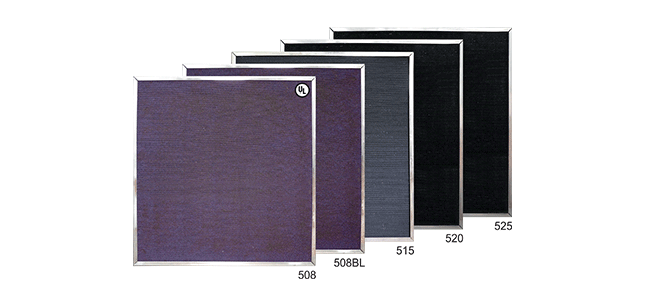
Macroporous desiccant-based fluted media with low pressure drop
view more
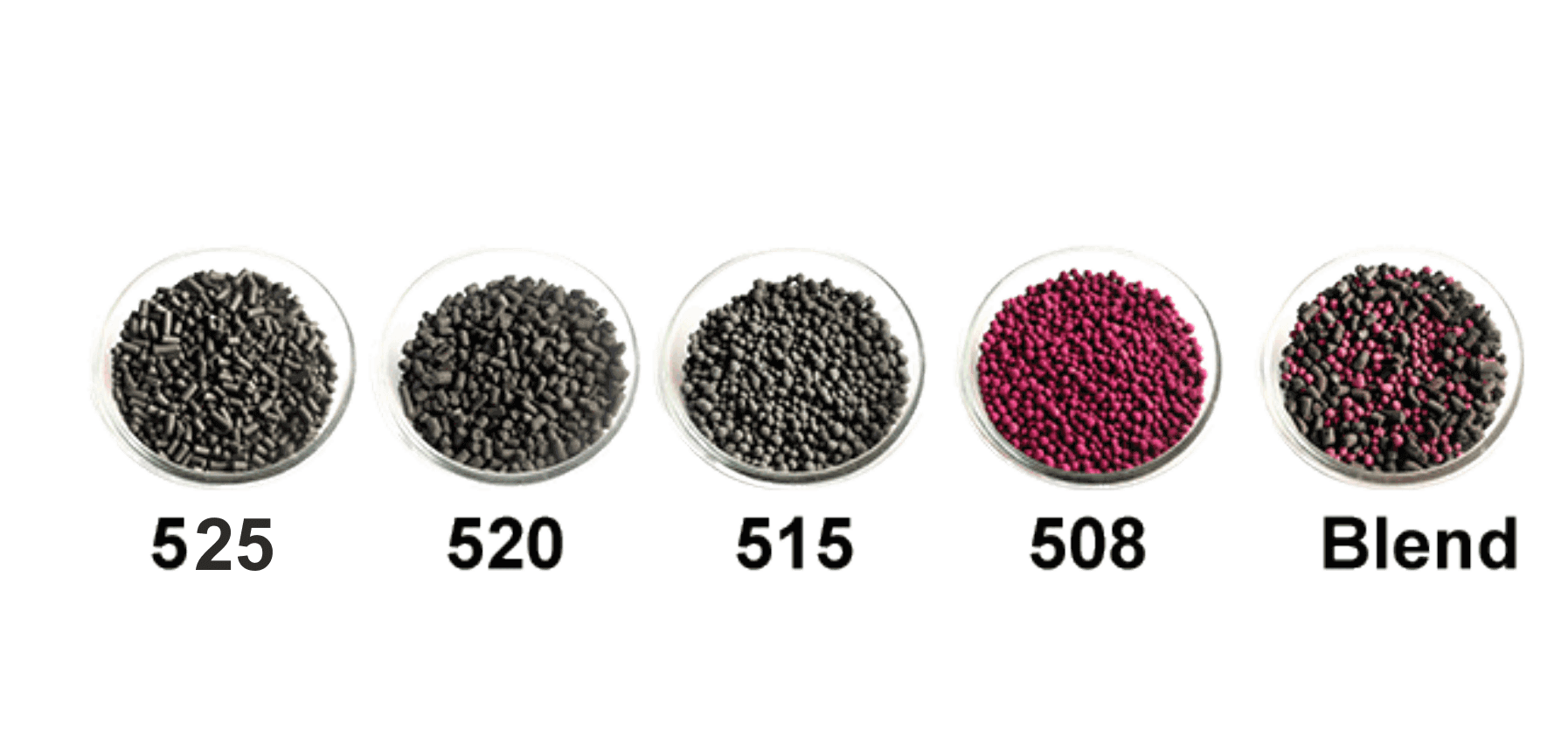
Spherical / Cylindrical porous pellets impregnated with proprietary chemicals
view more

Let's
Get In
Touch