Our Airgineers Can Help You Select The Right Product!
Contact Us
Our Airgineers Can Help You Select The Right Product!
Contact Us
Humidity control for convenience food helps maintain product quality, texture, and shelf life by reducing excess moisture exposure during processing, packaging, and storage.
Tertiary processed food — another term for convenience food, referring to commercially prepared products designed for easy consumption — is often hygroscopic and susceptible to humidity. Excess moisture can affect the texture, quality, and shelf life of these products. Effective moisture control in tertiary processed food helps maintain suitable environmental conditions during handling and storage.
Moisture absorption in processed food can occur when hygroscopic products such as candies, dry soup, sugar, and dried vegetables are exposed to humid air during processing, packaging, or storage. Controlling surrounding humidity helps minimise unwanted moisture uptake.
High humidity during packaging can increase moisture absorption and affect the texture and quality of convenience food products. Maintaining suitable convenience food packaging humidity helps protect products during packaging.
Dry air conditioning for food packaging involves supplying controlled, low-moisture air to packaging areas to help reduce moisture exposure and maintain the quality of food products.
Yes. Dehumidification removes excess moisture from the surrounding air, helping create controlled conditions that can reduce moisture absorption in processed food during manufacturing and packaging.
Many processed foods are hygroscopic and require moisture control, including candies, biscuits, fruit powders, dry soup, instant coffee, tea, sugar, powdered drink mixes, dried vegetables, soup concentrates, and milk powder. These products can turn soggy or rubbery and lose their appeal if exposed to uncontrolled humidity.
Our Airgineers Can Help You Select The Right Product!
Contact Us
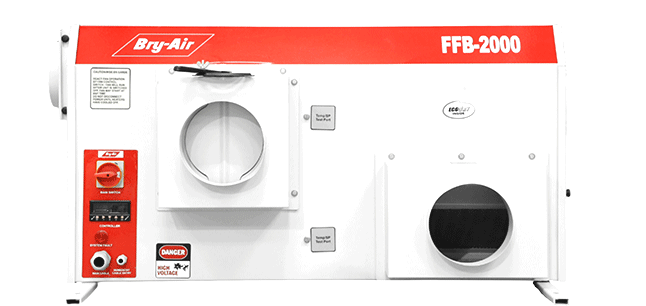
CNC fabricated with powder coated finish (ranging from 170 CMH to 4,500 CMH)
 view more
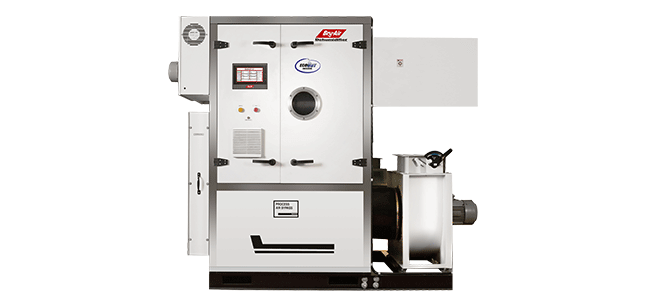
For complete air handling and environment control needs (ranging from 2,500 CMH to 25,000 CMH)
view more
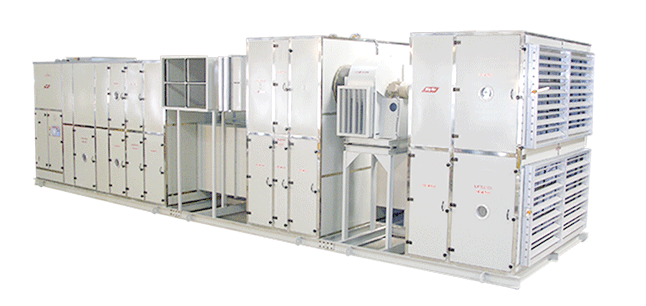
For custom design requirements (ranging from 10,000 CMH to 1,00,000+ CMH)
view more
Let's
Get In
Touch