Our Airgineers Can Help You Select The Right Product!
Contact Us
Our Airgineers Can Help You Select The Right Product!
Contact Us
Sources include waste anaesthetic gases released during anaesthesia or euthanasia, gases from animal excreta, and gases from decaying leftover food. Animal excreta odour purification targets one of these three sources.
Acute effects include drowsiness, irritability, headaches, dizziness and nausea, while chronic exposure risks liver and kidney disease, reproductive effects and cancer. Effective odour control in animal research labs can help reduce absenteeism and protect work quality.
Air first passes through pre-filters that retain dust and particles. Chemical media stages of activated carbon and activated alumina, impregnated with proprietary chemicals, then destroy remaining gases, providing chemisorption air purification alongside adsorption.
A pollutant gas molecule reacts with chemicals in the filter and is neutralised as air passes through, helping reduce contaminant gas concentration. The same approach can support air quality in diagnostic centres.
Selection depends on the purification method and known parameters: airflow, types and concentrations of impurities, available space and desired media life. These factors shape any animal excreta odour purification design, including media selection.
Bry-Air Odour Control Units help support researchers’ and employees’ health, removing harmful gases rather than masking them. They provide the odour control that animal research labs need.
Our Airgineers Can Help You Select The Right Product!
Contact Us

Honeycomb chemical filter based odour control system (ranging from 500 CFM to 2000 CFM)
 view more
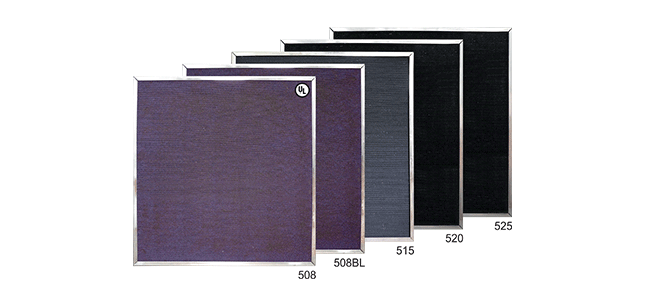
Macroporous desiccant-based fluted media with low pressure drop
view more
Let's
Get In
Touch