Our Airgineers Can Help You Select The Right Product!
Contact Us
Our Airgineers Can Help You Select The Right Product!
Contact Us
The climate around an indoor pool is very moisture-laden, aggravating microorganism growth, building corrosion and swimmer discomfort. A dedicated indoor pool humidity control system addresses this and helps extend the life of the pool infrastructure.
Common problems include a persistent chlorine smell, condensation on vents and glass, peeling paint, rotting wood, fogginess, wet floors that cause falls, and rising maintenance costs. Chlorine also induces corrosion of interiors, which makes chlorine corrosion prevention important.
Pools continuously produce large quantities of water vapour through evaporation. The vapour condenses, corroding metal and driving wood rot, fungus and deterioration of windows, lights and furniture, so mould and mildew control in a pool hall depends on removing this moisture.
Relative humidity should be maintained at 50–55% at about 26°C in winter and 23°C in summer. Holding these conditions helps keep the pool hall comfortable and limits condensation and damage.
Advantages include reduced maintenance costs, optimum sanitary conditions, a comfortable environment year-round, no fogging, condensation, rusting or rotting, no mould on wall or duct surfaces, and fewer slipping and falling injuries.
Bry-Air desiccant dehumidifiers help maintain the required humidity level throughout the year, reducing dampness, fogginess and condensation. References include Al Shirawi, Aqualine Systems and Emirates Technical & Thermal Systems.
Our Airgineers Can Help You Select The Right Product!
Contact Us
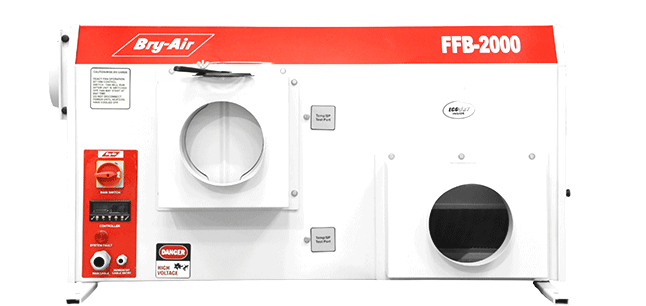
CNC fabricated with powder coated finish (ranging from 170 CMH to 4,500 CMH)
 view more
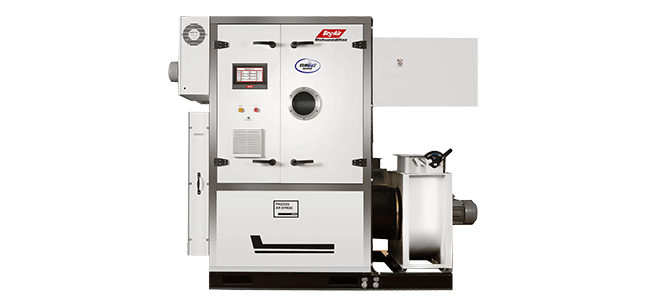
For complete air handling and environment control needs (ranging from 2,500 CMH to 25,000 CMH)
view more

Uncontrolled humidity across indoor swimming pools cause discomfort, chlorine smell, condensation, corrosion, and increased maintenance costs. Evaporation produces water vapour, leading to metal corrosion, mould growth, and wood deterioration.
Let's
Get In
Touch