Our Airgineers Can Help You Select The Right Product!
Contact Us
Our Airgineers Can Help You Select The Right Product!
Contact Us
The chilled ice surface gives up moisture and starts sweating, while moist air above it cools toward its dew point. Uncontrolled ice skating rink humidity then shows up as fog, dripping water and uneven ice.
Excess moisture drives mold, mildew and fungal growth that corrodes infrastructure, while dripping condensate leaves an uneven, unsafe skating surface. Effective ice rink mold prevention therefore starts with removing moisture from the air.
Outside air adds moisture when weather is mild and humid, and roof insulation can aggravate dripping. Condensation and fog control needs moisture removed from the air, since frosting also slows the ice and loads the ice-making system.
Refrigeration holds 7–15°C at 60–75% RH, close enough to saturation to form fog, and lower targets cause coil frosting. Desiccant systems are preferred for curling rink dehumidification and skating rinks alike, given their lower energy consumption
Bry-Air’s general recommendation for ice skating rink humidity is 10% relative humidity at about 11.3°C, while desiccant systems can hold 30-40% RH in the rink. Confirm the design setpoint with Bry-Air engineers.
ASHRAE and desiccant manufacturer studies show energy use up to 70% lower than comparable refrigeration. Bry-Air systems provide year-round condensation and fog control, cut operating costs, and may reduce building maintenance; Shopping Fair, Malaysia is a reference.
Our Airgineers Can Help You Select The Right Product!
Contact Us
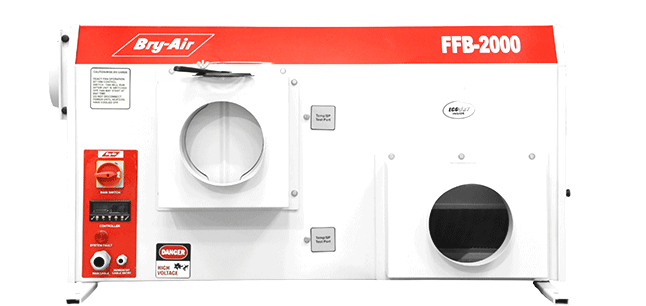
CNC fabricated with powder coated finish (ranging from 170 CMH to 4,500 CMH)
 view more
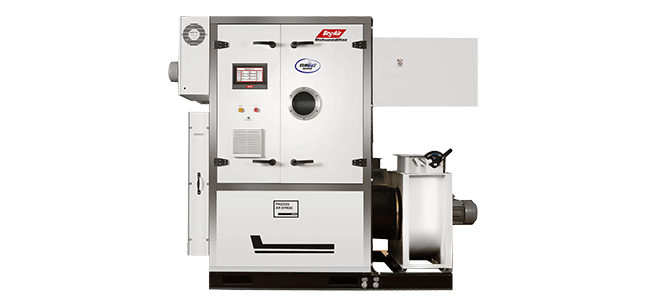
For complete air handling and environment control needs (ranging from 2,500 CMH to 25,000 CMH)
view more
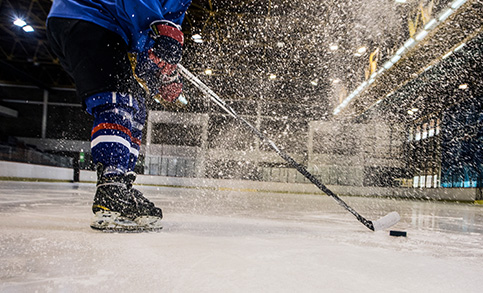
Uncontrolled humidity can lead to condensation, fog, and discomfort in indoor ice sports venues. Moisture leads to metal corrosion, mould growth, and uneven ice surfaces, posing safety risks.
Let's
Get In
Touch