Our Airgineers Can Help You Select The Right Product!
Contact Us
Our Airgineers Can Help You Select The Right Product!
Contact Us
Collections hold hygroscopic organic materials such as paper, wood, leather, bone and cotton that absorb moisture quickly. Effective museum humidity control helps prevent warping, cracking and mould, preserving historical and cultural significance.
Uncontrolled humidity promotes mould, mildew and microorganism growth, and moisture makes organic materials expand and contract. Reliable artefact deterioration prevention avoids irreversible damage such as warping, cracking and structural weakening.
Conducive environmental conditions are among the most significant factors in preserving archives, since moisture swings weaken historic items. Consistent organic material moisture control helps maintain the integrity of these valuable collections.
For paper-based records, keep temperature at 20°C and RH at 30–50%. Consistent monitoring and regular checks of climate control systems support archives preservation humidity and help safeguard the longevity of archived materials.
Used with air conditioning, Bry-Air desiccant dehumidifiers create a low humidity environment that prevents microbial attack. Dry air is often enough for preservation without temperature control, which suits library document preservation needs.
Museums, churches and libraries use dehumidification without temperature control to preserve valuable collections. References include Gulf Library UAE, Thailand Princess Library and the Library of Tibetan Works, Dharamshala.
Our Airgineers Can Help You Select The Right Product!
Contact Us
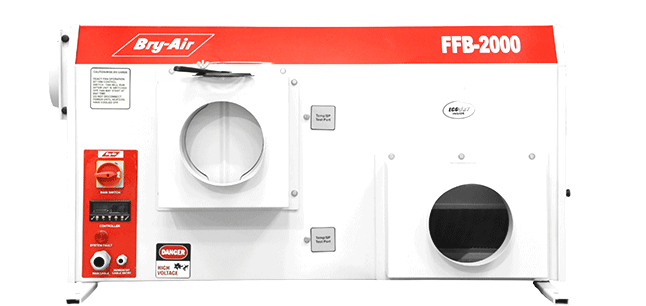
CNC fabricated with powder coated finish (ranging from 170 CMH to 4,500 CMH)
 view more
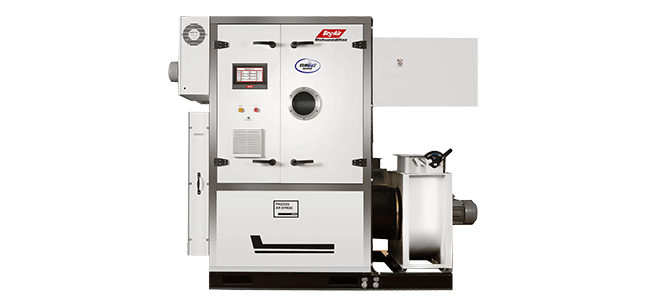
For complete air handling and environment control needs (ranging from 2,500 CMH to 25,000 CMH)
view more

Uncontrolled humidity in archives and museums, featuring various organic materials like paper, wood, and leather leads to microorganism growth and deterioration of historic artefacts.
Let's
Get In
Touch