Our Airgineers Can Help You Select The Right Product!
Contact Us
Our Airgineers Can Help You Select The Right Product!
Contact Us
DCS rooms contain critical control electronics that can be affected by corrosive gases. Corrosion can contribute to intermittent faults, equipment failures and unplanned downtime.
DCS I/O cards, PLCs, relay contacts, control boards, communication modules, terminal connections and other electronic components can be vulnerable to corrosive environments.
Common corrosive contaminants include hydrogen sulfide (H₂S), sulfur dioxide (SO₂), chlorine (Cl₂) and nitrogen oxides (NOₓ). The specific contaminants depend on the surrounding industrial environment.
Corrosive gases can enter through ventilation and air-conditioning systems, building leakage points, door gaps and other openings that allow contaminated air to reach the DCS room.
Atmospheric corrosivity can be assessed using Corrosion Classification Coupons or an Atmospheric Corrosivity Monitor (ACM). Coupons provide a baseline assessment, while an ACM enables continuous measurement of atmospheric corrosivity.
Yes. Gas-phase filtration uses adsorbent and chemically impregnated media to remove corrosive and reactive gases from air before they can affect sensitive electronics.
Corrosion monitoring can be used to verify the environmental condition and track changes over time. An ACM provides real-time corrosivity measurements, while corrosion coupons can be used for periodic classification assessment.
Start by assessing the room’s atmospheric corrosivity using corrosion coupons or an ACM. The measured conditions, surrounding industrial processes and vulnerability of the installed electronics can then be used to determine the appropriate protection strategy.
Our Airgineers Can Help You Select The Right Product!
Contact Us
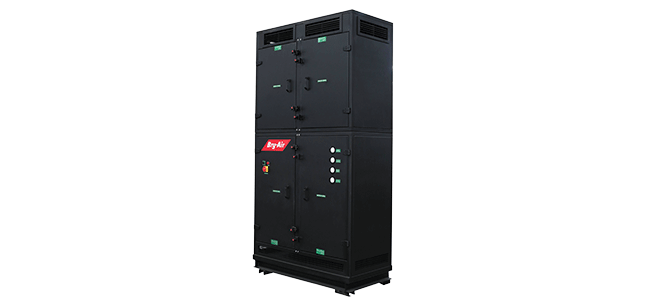
Granular media based corrosive and odorous gases removal system (ranging from 500 CFM to 2000 CFM, with higher capacities available on request)
 view more
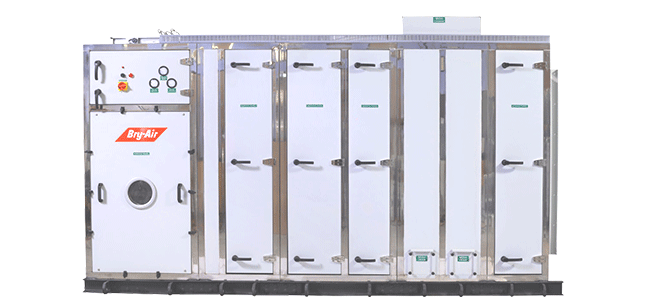
Granular media based corrosive gases and odour removal system (ranging from 500 CFM to 2000 CFM, with higher capacities available on request)
view more
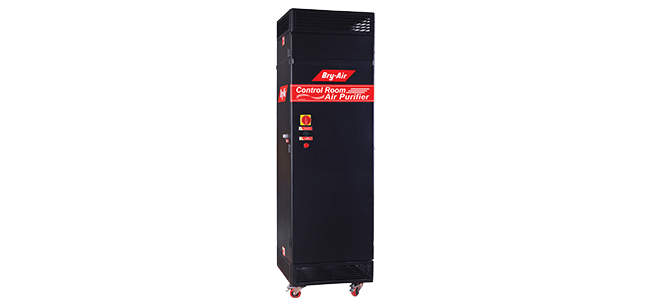
Honeycomb filter based gas phase filtration system (ranging from 500 CFM to 2000 CFM)
view more
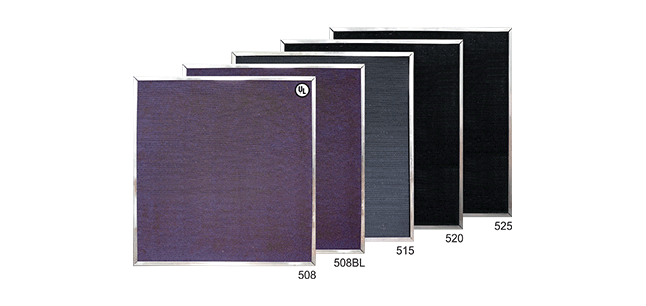
Macroporous desiccant-based fluted media with low pressure drop
view more
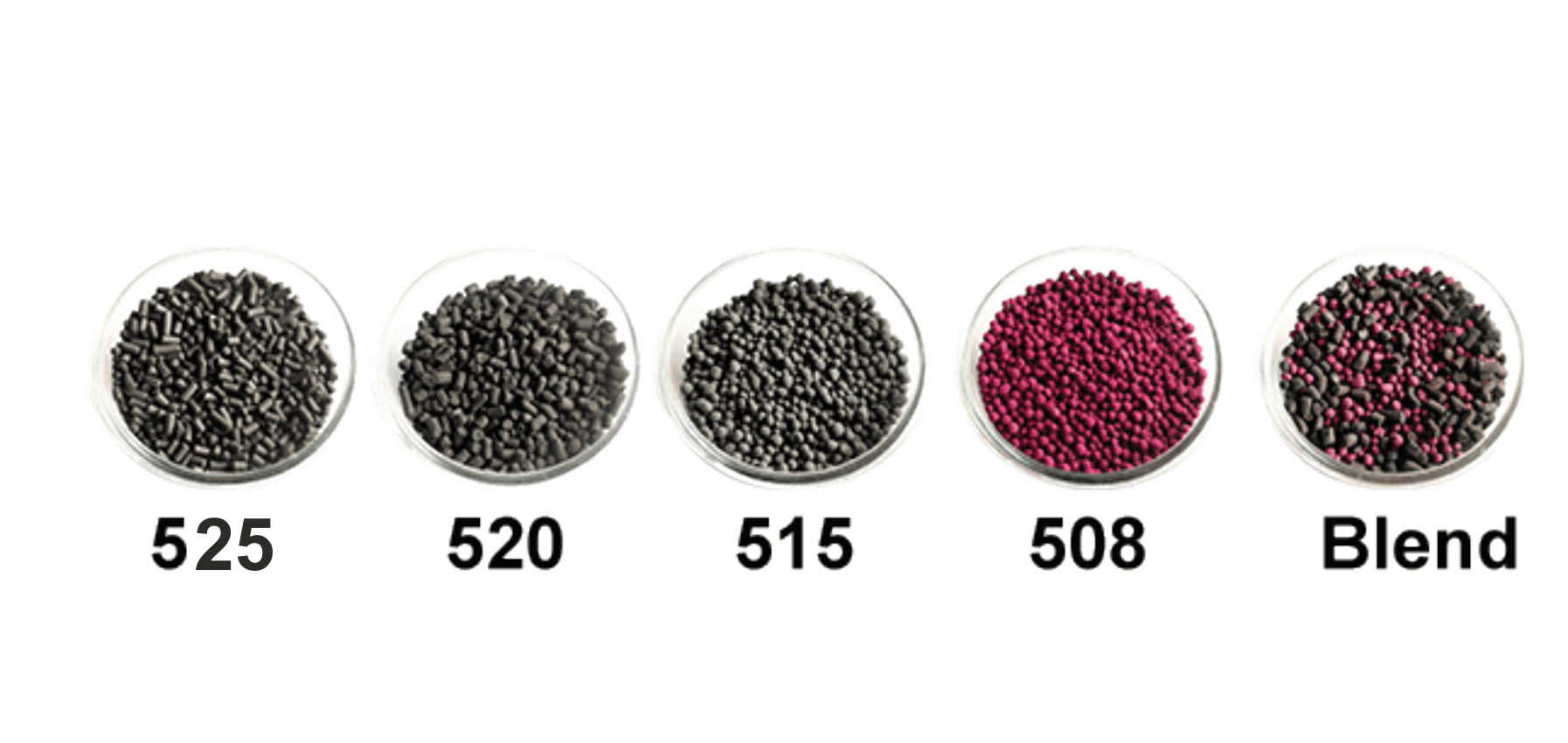
Spherical / Cylindrical porous pellets impregnated with proprietary chemicals
view more
Let's
Get In
Touch